Understanding Your Seasonal Tyre Swap
The switch between winter and summer tyres isn't just about following a calendar. It's about matching your tyres to the conditions you'll actually drive in. Winter tyres have deeper tread patterns and softer rubber compounds designed to grip on cold, wet, and icy roads. Summer tyres are stiffer and more fuel-efficient on warm, dry surfaces. In Ireland, we don't get extreme snow often, but we do get plenty of wet roads and cold spells. That's why switching makes sense — you're optimizing for what the season throws at you.
Wheel alignment gets overlooked until something goes wrong. But here's the thing — when you change your tyres, the car's handling can shift slightly. A proper alignment check ensures your wheels are square to the road. You'll notice better handling, more even tyre wear, and sometimes better fuel economy. Most drivers don't check alignment unless they feel the car pulling to one side. By then, the first tyre's already wearing unevenly. Getting it checked during your seasonal changeover costs less than replacing a prematurely worn tyre later.
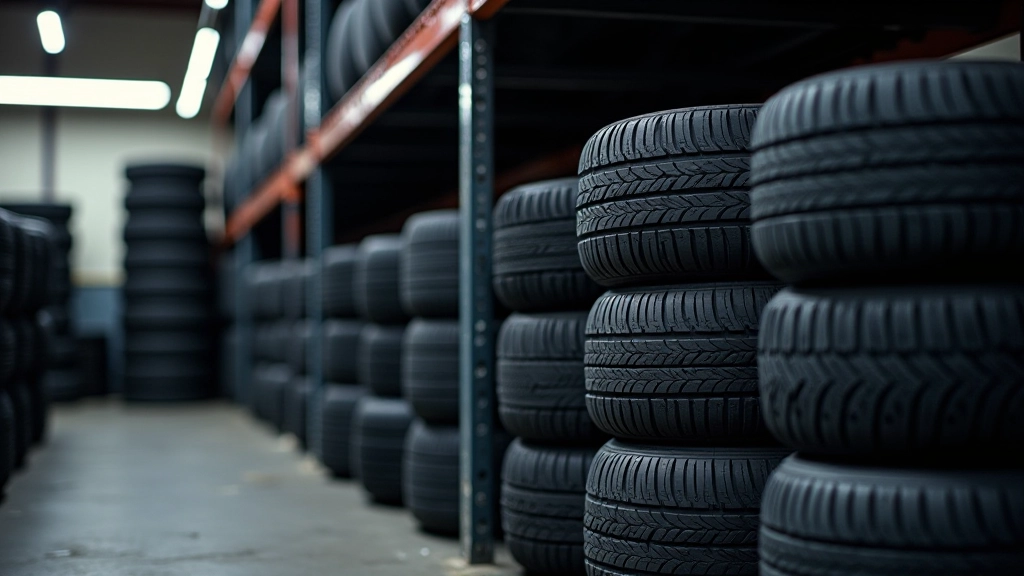
Storage matters more than people think. Tyres sitting in a hot garage or a damp shed degrade faster than you'd expect. Temperature swings cause the rubber to expand and contract, which stresses the structure. Humidity can lead to slow leaks. The best approach is cool, dry storage — somewhere around 10-15°C if possible. Keep tyres standing upright if you're storing them long-term, not flat stacked. That distributes the weight evenly and prevents flat spots from developing.