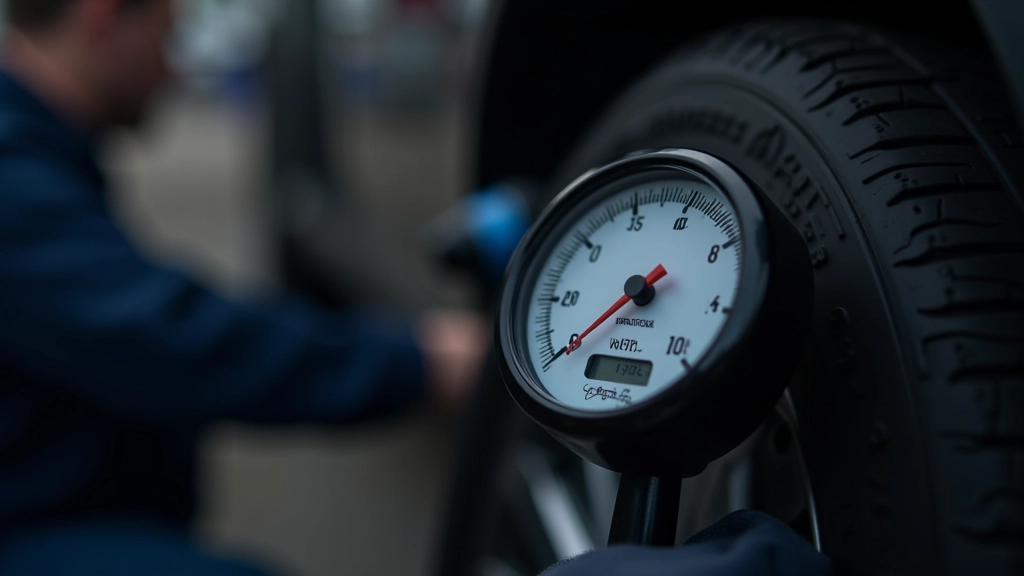
When to Switch to Winter Tyres in Kilkenny
Temperature drops, ice risks, and weather patterns that signal it's time to change. Practical timing advice for Irish drivers.

Editorial Team
Written by the orkplex editorial team, focused on practical, honest guidance for seasonal tyre care and vehicle maintenance.
Why Winter Tyres Matter More Than You Think
Here's the thing: winter tyres aren't just a nice idea. They're designed specifically for cold weather, and they perform completely differently than summer tyres when temperatures drop. Most drivers in Kilkenny wait until the first snow hits to even think about switching. That's already too late.
Summer tyres harden when it's cold. This happens because the rubber compound gets stiff, losing grip on wet and icy roads. Winter tyres use a softer rubber blend that stays flexible in the cold, which means better traction, shorter braking distances, and a safer drive.
The 7°C Rule
When daytime temperatures consistently fall below 7°C, winter tyres actually outperform summer tyres — even on dry roads. It's not about snow. It's about temperature.
Kilkenny's Timing Window: September to May
For Kilkenny specifically, you're looking at a six-month window. Most drivers in the region switch to winter tyres sometime between late September and early October, then switch back to summer tyres in April or May.
Don't wait until November. By that point, you've already spent weeks driving on summer tyres through October's unpredictable weather. Early autumn mornings already dip below 7°C in Kilkenny, and you won't feel the difference until you hit a wet road or a patch of black ice.
We recommend making the switch in the first two weeks of October. This gives you a safety buffer before the really cold months arrive, and you'll avoid the rush when everyone else realizes they need new tyres.


Watch These Weather Signals
You don't need a meteorology degree to know when it's time. Just watch for these patterns:
Practical Signs You're Ready to Switch
Beyond the calendar and the thermometer, here's what you'll actually notice:
Your Braking Feels Different
Summer tyres on wet autumn roads feel less responsive. You'll notice it first in wet car parks or on damp roads. Winter tyres grip sooner and stop shorter — that's the compound working as it should.
Puddles Behave Differently
Summer tyres on cool, wet surfaces can hydroplane more easily. You'll feel the car lose grip momentarily when hitting standing water. This is the rubber hardening, losing its ability to channel water away.
Cornering Feels Less Stable
On cool, wet roads, you might notice the back of the car sliding slightly when cornering. Summer tyres just can't maintain lateral grip when it's cold. Winter tyres grip through the corner consistently.
Weather Reports Mention Black Ice
When local news starts warning about black ice conditions, you're way past the point where summer tyres are safe. This is the final signal — if you haven't switched by now, you're taking unnecessary risk.
What About Your Summer Tyres?
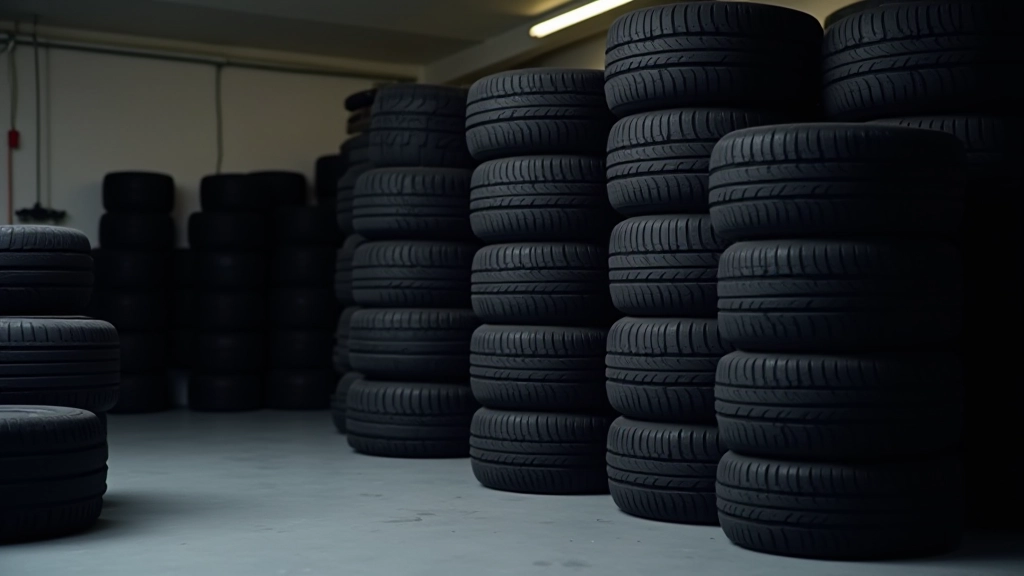
Once you switch to winter tyres, you'll need somewhere safe to store your summer set. Don't just leave them in the garage on the concrete floor. Tyres are sensitive to temperature swings, humidity, and direct sunlight — all things that degrade the rubber compound.
Store them upright in a cool, dry place. If you stack them, rotate the stack every month or so. Keep them away from heat sources like boilers or heaters. A temperature between 10-20°C is ideal. We've got a complete guide on tyre storage if you need the details.
Many drivers in Kilkenny use local storage facilities specifically for this. It's worth asking your garage or tyre shop if they offer storage — some do it for a small fee, and it takes the worry out of managing two sets of tyres.
Information Disclaimer
This guide is educational information based on general weather patterns and safety recommendations for Ireland. Weather conditions and driving situations vary by location and individual circumstances. Always check your vehicle's manual, consult with a qualified mechanic, and follow local regulations regarding tyre requirements. This content isn't a substitute for professional advice — if you're unsure about your tyre condition or switching timing, speak with your local garage or tyre specialist.
Plan Ahead, Stay Safe
The best time to switch is when you've actually planned for it — not when you're scrambling because snow's in the forecast. October in Kilkenny is that sweet spot. You're ahead of the rush, you'll avoid the stress of waiting until the last minute, and you'll be driving safely through the months when you really need those tyres.
Set a calendar reminder for late September. Check your tyre condition before the switch. Book an appointment with your garage if they're handling the changeover. These small steps now mean safer driving and better peace of mind through winter.
Need help with wheel alignment or tyre checks? Get in touch with a local specialist.
Contact for Support