

When to Switch to Winter Tyres in Kilkenny
Temperature drops, ice risks, and weather patterns that signal it's time to change tyres for safer winter driving.
Misalignment causes uneven wear and poor handling. What happens during a wheel alignment check and why it's essential after swapping tyres.

By
Written by the orkplex editorial team, focused on practical, honest guidance for seasonal tyre care and vehicle maintenance.
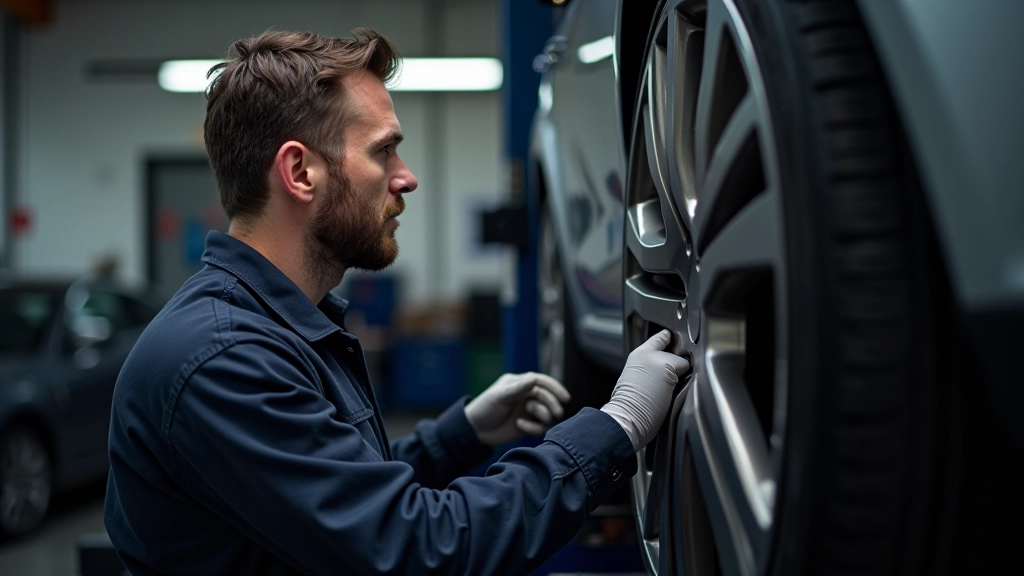
When you swap from summer to winter tyres — or vice versa — your mechanic's removing the old wheels, mounting new tyres, and rebalancing everything. It's a straightforward job. But here's the thing: even the smallest adjustment during this process can knock your wheel alignment slightly out of position.
You won't feel it immediately. The car drives fine for the first week. Then you notice the steering wheel's slightly off-centre when you're driving straight. Or your tyres are wearing unevenly — one edge is bald while the middle looks okay. That's misalignment at work.
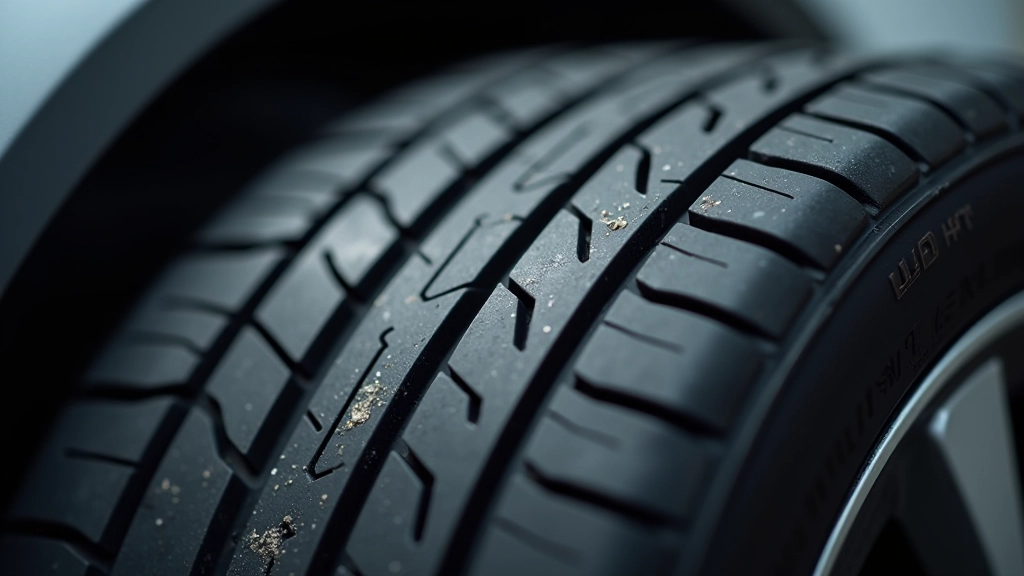

Misaligned wheels aren't just about tyre wear — though that's expensive enough. It affects how your car handles. You'll notice pulling to one side when you brake. The steering feels less responsive. In wet conditions, that becomes a safety issue.
Here's what we're talking about: even 0.5 degrees off-alignment can reduce tyre lifespan by 25-30%. That's the difference between getting 40,000 miles from a set of tyres and getting 28,000. On a €400 set of tyres, that's €120+ wasted.
Key Point: Most people don't check alignment until they notice the problem. By then, one tyre's already damaged. Getting it checked right after a tyre change prevents that completely.
The process takes 30-45 minutes. Here's what's actually happening:
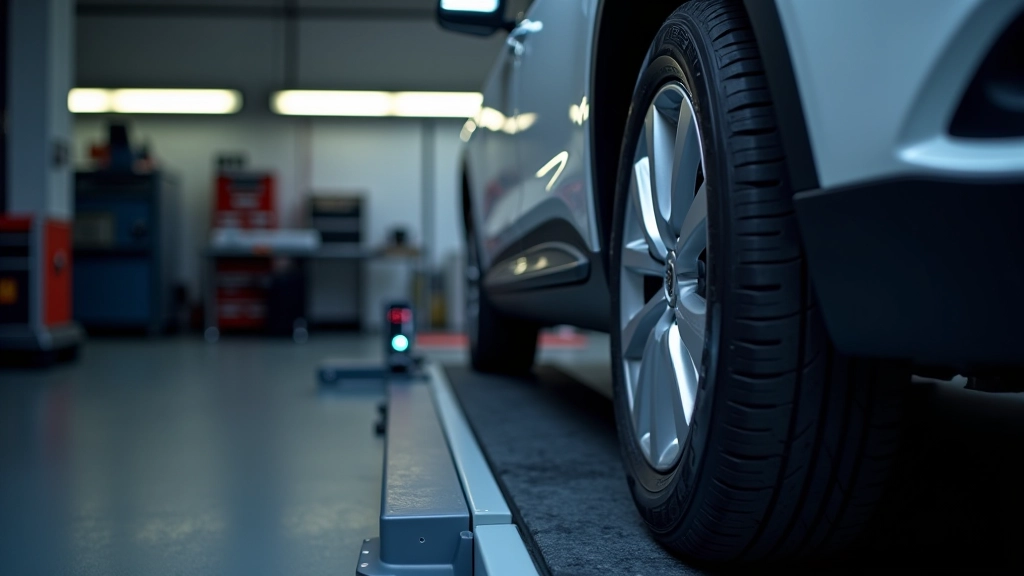
Your car's placed on an alignment rack — basically a platform with sensors that measure each wheel's angle. Modern systems use cameras and laser sensors. They're accurate to fractions of a degree.
Camber — how much the wheel tilts inward or outward. Toe — whether wheels point straight ahead or inward/outward. Caster — the steering axis angle. All three need to be within specific ranges for your car model.
If anything's out, the mechanic adjusts suspension components. It's usually just loosening a bolt, making a small turn, retightening. Then they recheck to confirm it's spot-on.
You've got a window of opportunity. Right after you've had new tyres fitted is the ideal time — within a day or two. Why? Because if alignment's wrong, it starts wearing your new tyres immediately. You don't want that.
Some garages include a free alignment check with tyre fitting. Ask about it when you book. If they don't offer it, it's usually €40-80 depending on your area. Honestly, that's nothing compared to replacing a set of tyres early because of wear.
This article is for informational purposes only. We're sharing general guidance about wheel alignment and tyre maintenance. Every vehicle is different — suspension geometry, tyre specifications, and alignment tolerances vary by make and model. Always consult a qualified mechanic or your vehicle's manufacturer guidelines before making decisions about tyre changes or suspension work. If you notice handling issues or uneven tyre wear, get a professional inspection rather than relying on this information alone.
Wheel alignment isn't some fancy optional service. It's basic vehicle maintenance that directly impacts tyre lifespan, handling, and safety. When you're changing tyres — especially seasonally — you're already at the garage. Getting a quick alignment check takes 30 minutes and costs less than a tank of petrol. You'll get 25-30% more life from your tyres, your car will handle better, and you won't be wondering why one tyre's worn out after six months.
Think of it this way: you wouldn't buy expensive tyres and then ignore the basics that keep them in good condition. Get it checked. It's one of those small things that saves money and hassle down the road.
Temperature drops, ice risks, and weather patterns that signal it's time to change tyres for safer winter driving.

Temperature, humidity, and positioning affect tyre lifespan. Storage tips that keep your spare set in good condition.
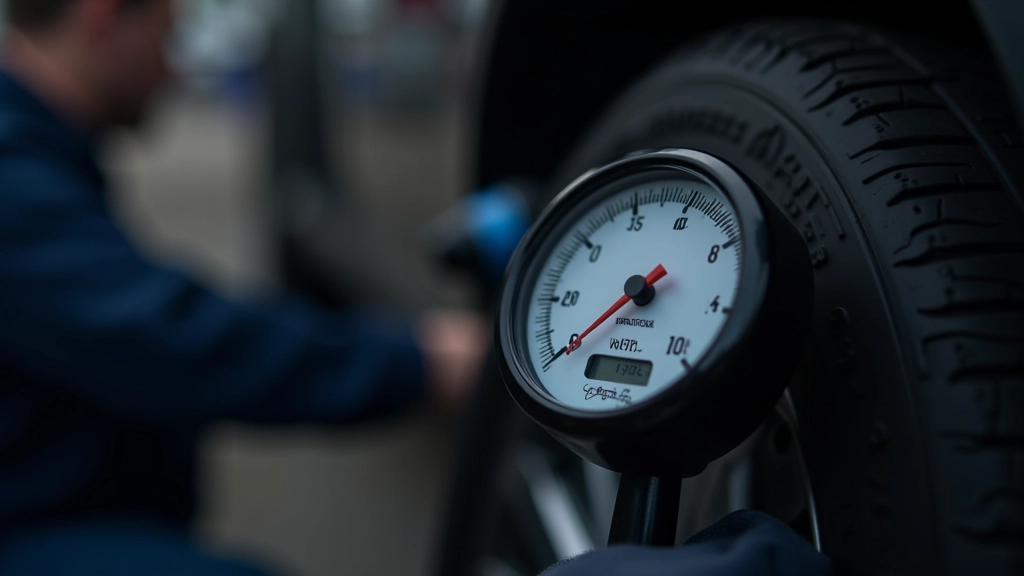
Cold weather changes pressure readings. We explain how temperature affects PSI and why seasonal adjustments matter.